
3 Postpartum Symptoms to Watch For — and When to See a Pelvic Floor Physiotherapist
You’re in the thick of it — sleep is unpredictable, your body feels unfamiliar, and some days you’re just doing your best to get through. It might even be hard to remember the last time you did something just for yourself.
That spare hour you do get? It feels rare and precious. And choosing how to spend it can feel like a big decision. I get that more appointments may not be at the top of your wish list, but that first postpartum check-in can make a real difference. It can help you catch small issues before they turn into bigger ones — things like persistent leaking, heaviness, or abdominal separation.
Research shows that early support leads to better long-term outcomes, which is why I often remind new moms that it’s easier to address concerns now rather than months down the road.
My goal in sharing this is to offer some gentle guidance on what postpartum healing can look like — what’s common, what deserves a second look, and when it’s worth getting something checked out. You don’t have to navigate any of this alone.
Pelvic Organ Prolapse

Pelvic organ prolapse happens when the muscles and tissues supporting the pelvic organs weaken, causing one or more organs (like the bladder, uterus, or rectum) to shift downward and press into the vaginal wall.
✅ What’s normal
Many new moms experience mild prolapse symptoms — a feeling of heaviness, pressure, or bulging — in the first few weeks after delivery. This often improves significantly within 6–12 weeks as swelling decreases and muscles regain strength.
🚩When to check in
If your symptoms persist or worsen beyond 3–4 months, or if you feel a noticeable bulge or pressure that isn’t improving, that’s your cue to see a pelvic floor physiotherapist.
Urinary Incontinence
A bit of bladder leakage is common in early postpartum. You might notice it when sneezing, coughing, laughing, or bending over.
✅ What’s normal
In the first few weeks, your body is still recovering from pregnancy and delivery — some loss of bladder control is expected.
🚩When to check in
If leakage continues past 4–5 months, even small dribbles, that’s worth getting assessed. Early treatment can prevent the issue from lingering long-term.
Diastasis Recti (Abdominal Separation)
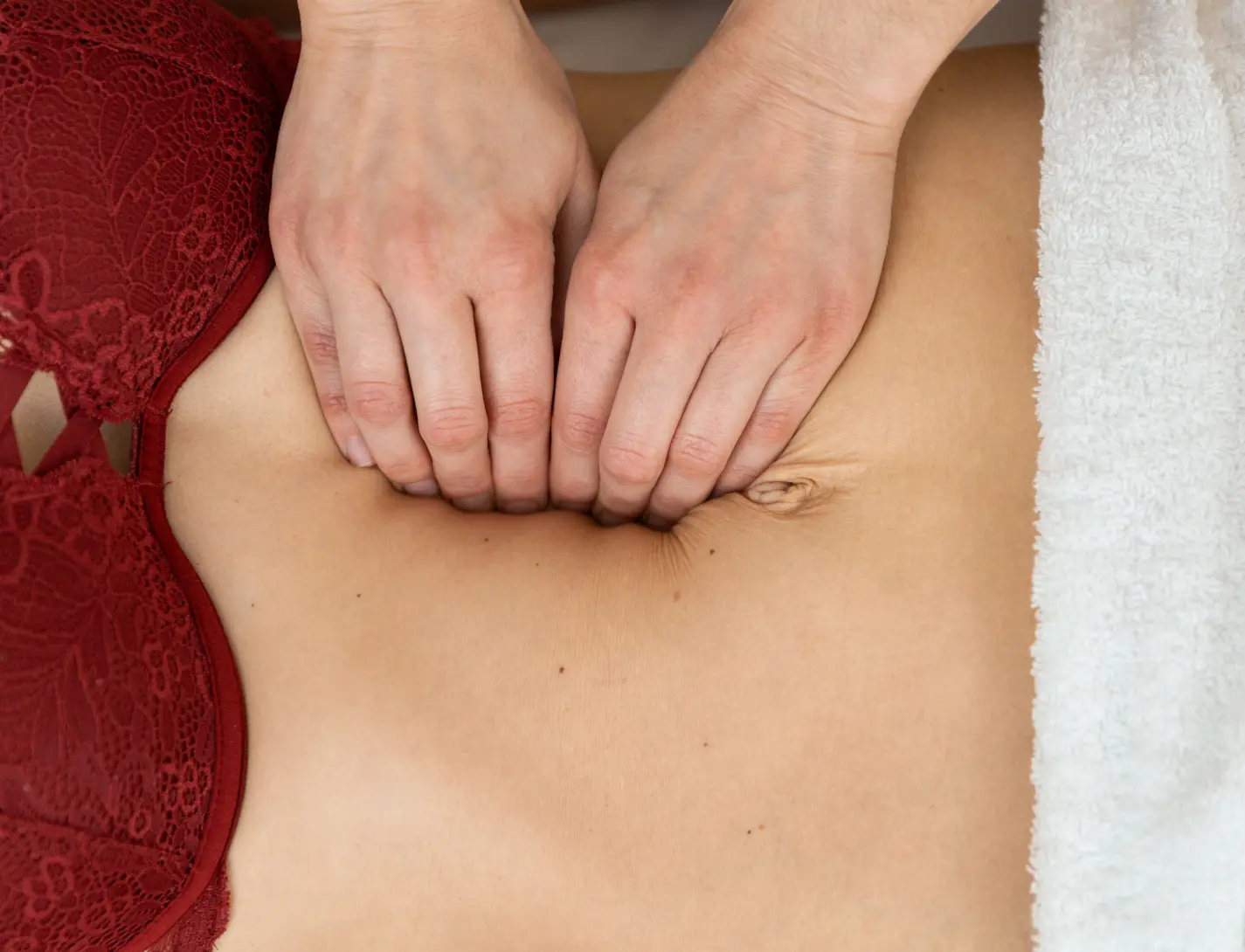
During pregnancy, the connective tissue between your abdominal muscles (the linea alba) stretches to make room for your growing baby. Sometimes that gap remains postpartum — this is called Diastasis Recti.
✅ What’s normal
A small gap (1–2 fingers wide) right after birth is expected and often closes naturally within a few months as your core and pelvic floor regain strength.
🚩 When to check in
If the gap remains wider than two fingers after 6 months or you notice doming or bulging down the center of your abdomen, this is a good sign to get it checked out!
A Gentle Reminder
Your body has been through a tremendous amount of change.
These symptoms are common — but they’re not something you need to live with. Most can be improved or completely resolved with the right support and individualized care.
💚 Book your postpartum check-in if you’d like to talk through your recovery or check on any symptoms. Our team at Markham Pelvic Health is here to help you feel comfortable, strong, and confident again.
Want to make sure you’re doing the right exercises for your stage of pregnancy?
Learn more about how our Pregnancy Program can help you prepare your body for birth and beyond.
Evidence & References
-
Cochrane Review: Pelvic Floor Muscle Training & Postpartum Incontinence
Pelvic-floor exercises started early after birth can significantly reduce urinary leakage. -
British Journal of Sports Medicine: Early Pelvic-Floor Physio Improves Outcomes
Research shows postpartum physiotherapy can lower the risk of prolapse and incontinence. - Merck Manual: Postpartum Care Overview
Outlines why early follow-up helps identify concerns like incontinence, pelvic pressure, or diastasis.