6 Tips for Better Bladder Health
The holidays are full of joy, beautiful food, late nights, and let’s be honest… a little more stress than usual. With all of those routine changes, it’s very common for bladder symptoms to flare up. You might notice more urgency, more frequency, or that “why am I peeing again?” feeling — and it’s not your imagination.
Small shifts in hydration, diet, movement, and stress can all impact bladder function. So today, I wanted to share a few simple ways to support your bladder through the holiday season.
1. Stay Hydrated (but not too hydrated!)
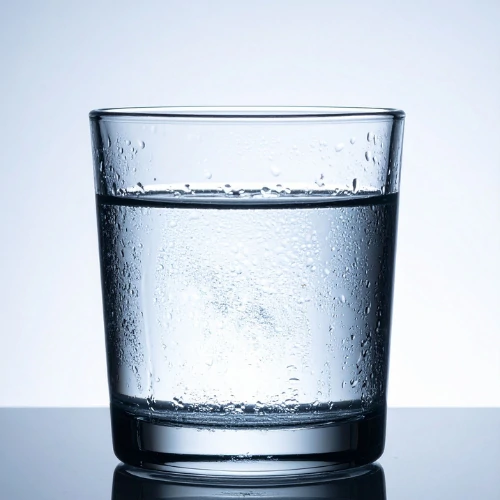
It’s tempting to sip coffee all day or forget water completely when things get busy, but hydration plays a big role in how your bladder behaves.
A few helpful guidelines:
-
Aim for 6–8 cups (1.5–2 L) of fluid per day unless your doctor has told you otherwise.
-
Avoid over-hydrating — it can actually irritate the bladder.
-
Watch your urine colour: pale yellow is ideal. Clear = too much water. Dark = not enough.
Balanced hydration keeps the bladder calm and reduces unnecessary urgency.
2. Reduce Bladder Irritants

Holiday favourites like mulled wine, bubbly cocktails, second coffees, and rich foods are fun — but they can be tough on the bladder lining.
Common irritants include:
- Caffeine (coffee, tea, energy drinks)
- Alcohol
- Carbonated drinks
- Citrus fruits or juices
- Artificial sweeteners
- Spicy foods
- Tomato-based dishes
You don’t need to avoid these entirely. Instead, try to limit combining multiple irritants at once. If you suspect one specific food or drink is triggering symptoms, consider taking a break from it for 1–2 weeks to see if anything improves.
3. Avoid “Just in Case” Peeing

Holiday chaos can make even bathroom breaks feel rushed. But how you sit and breathe while peeing matters more than most people realize.
A few quick tips:
- Sit fully on the toilet seat — don’t hover.
- Lean slightly forward, with feet flat or elevated on a small stool.
- Relax your pelvic floor. Avoid straining or “pushing” your urine out.
- Give yourself enough time to empty your bladder completely.
These small adjustments help the bladder empty more efficiently and prevent unnecessary tension in the pelvic floor.
4. Practice Good Toilet Habits
Long car rides and busy schedules make it tempting to go “just in case” before leaving the house. The problem is that doing this too often teaches the bladder to signal urgency before it’s actually full.
Instead, aim to use the washroom when your bladder is sending real, consistent signals — not out of habit or anticipatory worry.
5. Manage Constipation

Holiday meals can be heavier, lower in fibre, and paired with less movement and hydration — the perfect recipe for constipation. And when the bowels are full, they can press on the bladder and worsen urgency or leakage.
Do your best to try and:
- Include fibre-rich foods (aim for 25–30g/day)
- Stay hydrated
- Move your body throughout the day (yes, chores at home absolutely count!)
- Respond to the urge to go sooner rather than later
Keeping your bowels happy keeps your bladder happier too.
6. Creating Calm During the Holidays

Holiday pressure, gift lists, hosting duties, and family dynamics can crank up stress levels. When the nervous system is ramped up, the bladder can become more reactive — leading to more trips to the washroom.
Gentle ways to calm the system:
- Deep belly breathing
- Mindfulness or meditation
- Walking, stretching, or yoga
- Pelvic floor relaxation techniques (a pelvic PT can help you learn these)
A regulated nervous system helps regulate the bladder.
When to seek professional Help
Pelvic Floor Physiotherapy can help you sort out what’s bladder-related, what’s pelvic-floor-related, and how to get things back on track.
It’s a good idea to reach out if you’re experiencing:
- Urinary urgency or frequency
- Burning or pain with urination
- Leakage (even small amounts)
- Difficulty emptying the bladder
- Pelvic or lower abdominal pain
You don’t need to navigate bladder symptoms alone — support is available, and improvements often come quickly with the right guidance. Chat with a Pelvic Floor Physio to learn how we can help.
Researched and written by Veronica Zajic and Melissa Wong