Kegel Exercises: 3 Mistakes Women Make and How to Fix Them
Kegels are one of the most common pelvic floor exercises — yet they’re also one of the most misunderstood.
If you’ve ever caught yourself thinking, “Am I even doing these right?” you’re in good company.
At Markham Pelvic Health, we meet women every week who have been practicing Kegels at home but aren’t seeing results. And there’s a good reason for that.
For starters, most people don’t actually know what doing a kegel should feel like! So many will watch videos online or get step-by-step instructions, but there is no way to really know if you are doing them correctly on your own without some sort of feedback.
When Kegels are done incorrectly, a few things can happen:
- The pelvic floor gets tighter instead of stronger.
It’s easy to accidentally “clench” rather than lift and release. Over time, that tension can create discomfort instead of support. - Symptoms don’t improve — or sometimes get worse.
Leaking, heaviness, pelvic pain, or pain with intimacy may stick around because the muscles aren’t coordinating the way they should.
Here’s why that happens — and what you can do to fix it
1. Using the Wrong Muscles (a.k.a. Compensations)
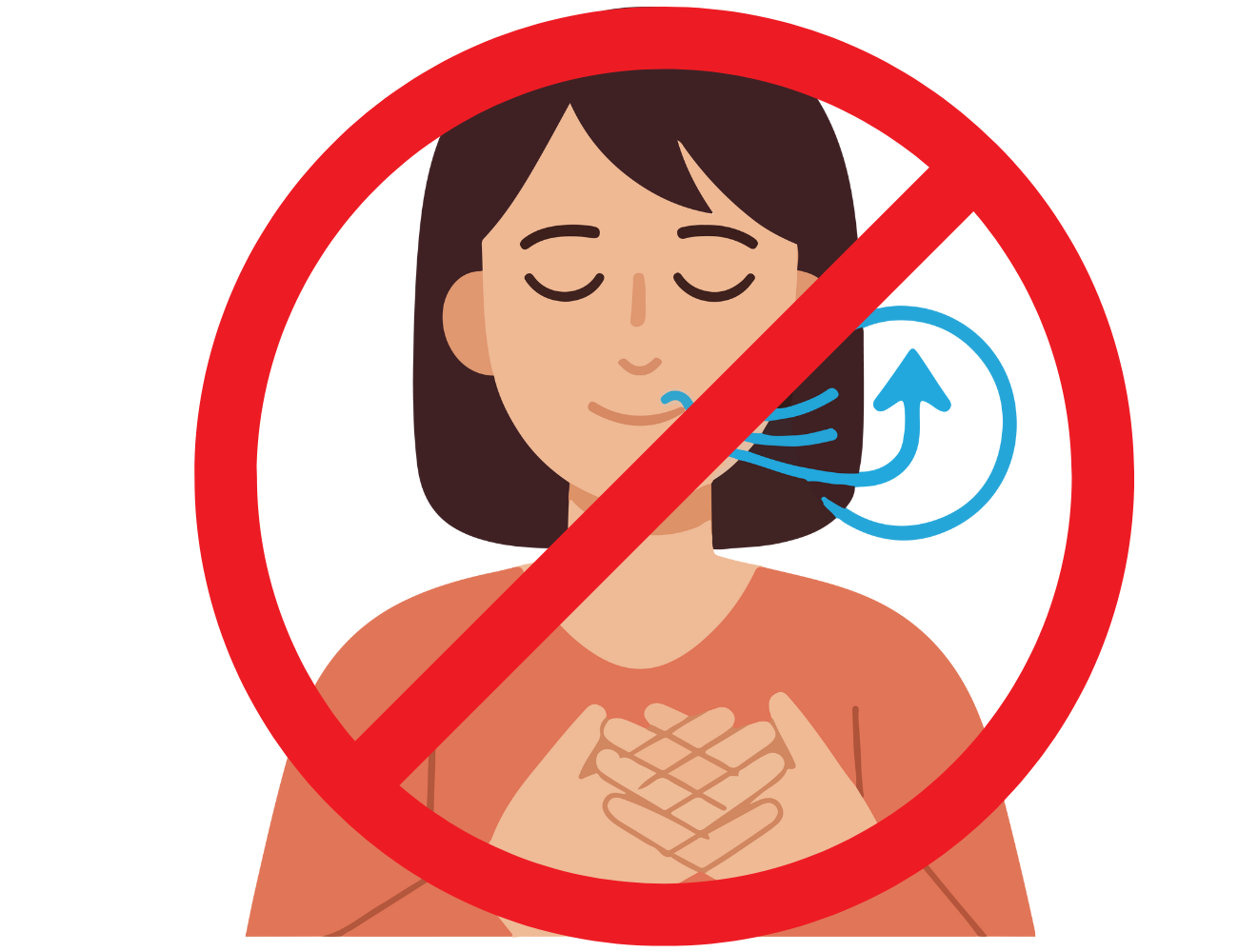
When learning Kegels, it’s easy to accidentally recruit other muscles instead of the pelvic floor.
Common compensations include:
- Squeezing your glutes
- Holding your breath or sucking in your belly
- Even pushing downward instead of lifting upward
According to the Mayo Clinic, these errors are among the most common — and can actually make symptoms worse if left uncorrected.
When these patterns take over, your pelvic floor doesn’t activate properly, leading to continued leakage, heaviness, or pelvic discomfort.
How pelvic physiotherapy helps:
A pelvic health physiotherapist can assess how your body moves and which muscles are taking over. We then help you feel what’s happening in your body so you can reconnect with the right muscles.
In our sessions, we might use:
- Tactile cues: gentle tapping or touch to guide activation (for example, glutes, lower abs, or pelvic area)
- Verbal cues: “nuts to guts,” “pick up a blueberry,” or “turtle into its shell” — everyone’s brain connects differently!
- Tempo and sound: adjusting your breathing rhythm or contraction speed to encourage proper muscle coordination
Over the years, I can’t tell you how many clients I’ve had come in for the first time and tell me that they have been doing kegels every day
A study published in BMC Women’s Health found that professional guidance and feedback improve pelvic floor activation accuracy and long-term continence outcomes.
2. Not Making Kegels Functional
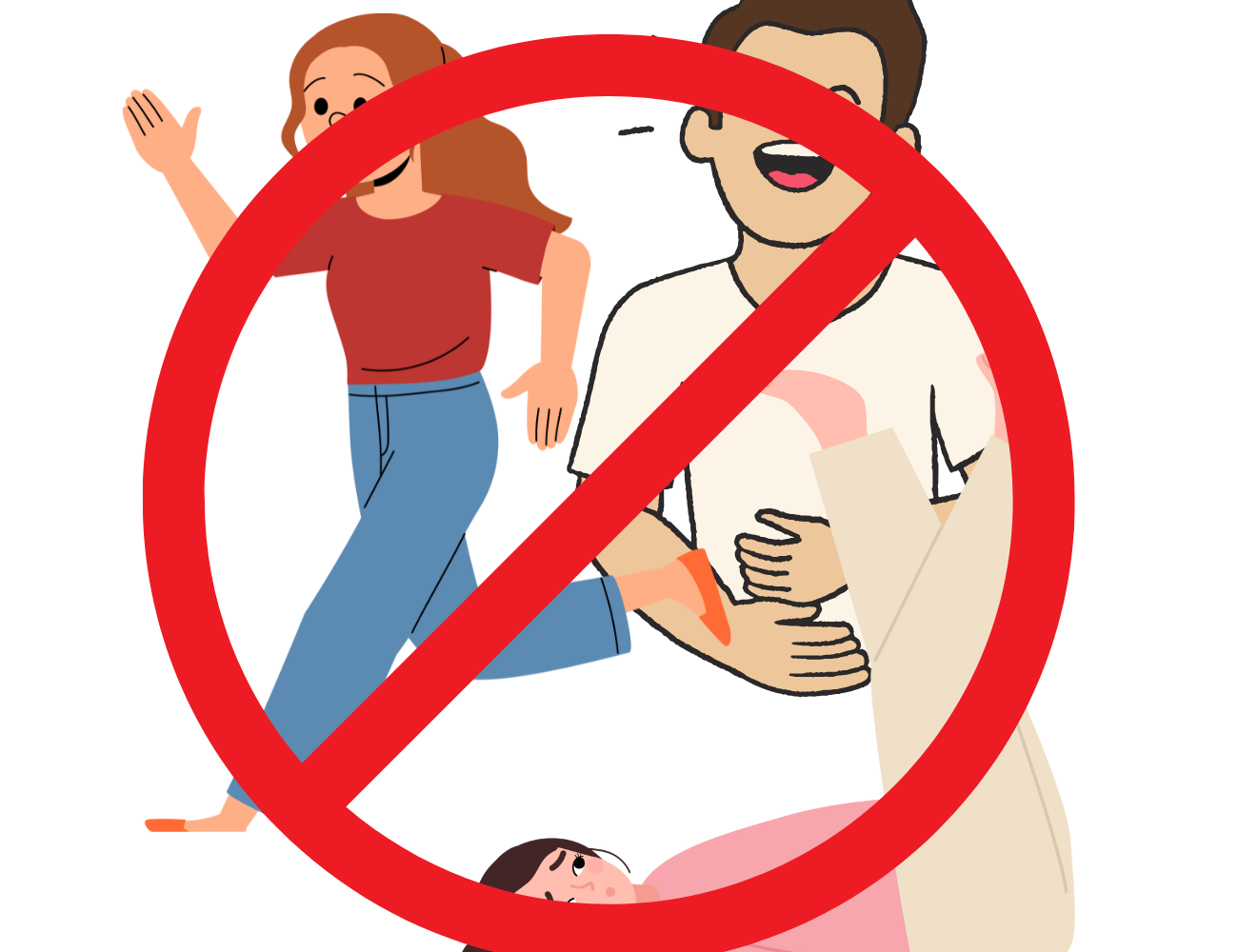
Like any other exercise, Kegels need to progress over time.
You wouldn’t train for a 5K by only walking — and the same applies here.
If you’ve only practiced Kegels lying down, but your symptoms happen when you’re standing, lifting, or laughing, your exercises might not be targeting your real-life challenges.
The Canadian Physiotherapy Association recommends integrating pelvic floor training into functional movement, ensuring that strength and control translate to daily activities.
That’s where we come in — we help you strengthen your pelvic floor for the activities that matter most to you.
Whether that’s carrying your toddler, sneezing, or running postpartum, your Kegels should work when you do.
3. Not the Right Dosage
A sprinter doesn’t train by running a marathon — and your pelvic floor shouldn’t either.
The type, intensity, and frequency of Kegels you need depend entirely on your body and your symptoms.
For example:
- Someone leaking when coughing or laughing may need short, quick contractions.
- Someone leaking during long-distance runs may need endurance-focused training.
- And sometimes, doing too many Kegels can make your muscles tight and fatigued rather than strong.
The UT Health Austin pelvic health team notes that Kegels aren’t suitable for everyone — especially if your muscles are already tense.
That’s why a customized assessment is so important.
The Bottom Line: It’s not a one-size-fits-all

Kegels are not a one-size-fits-all exercise.
They need to be personalized, refined, and progressed — just like any other part of your body.
And your pelvic floor doesn’t work in isolation: your hips, glutes, and core all play a role.
That’s why having a pelvic health physiotherapist assess and guide your program makes such a difference.
Want to make sure you’re doing the right exercises for your stage of pregnancy?
Learn more about how our Pregnancy Program can help you prepare your body for birth and beyond.